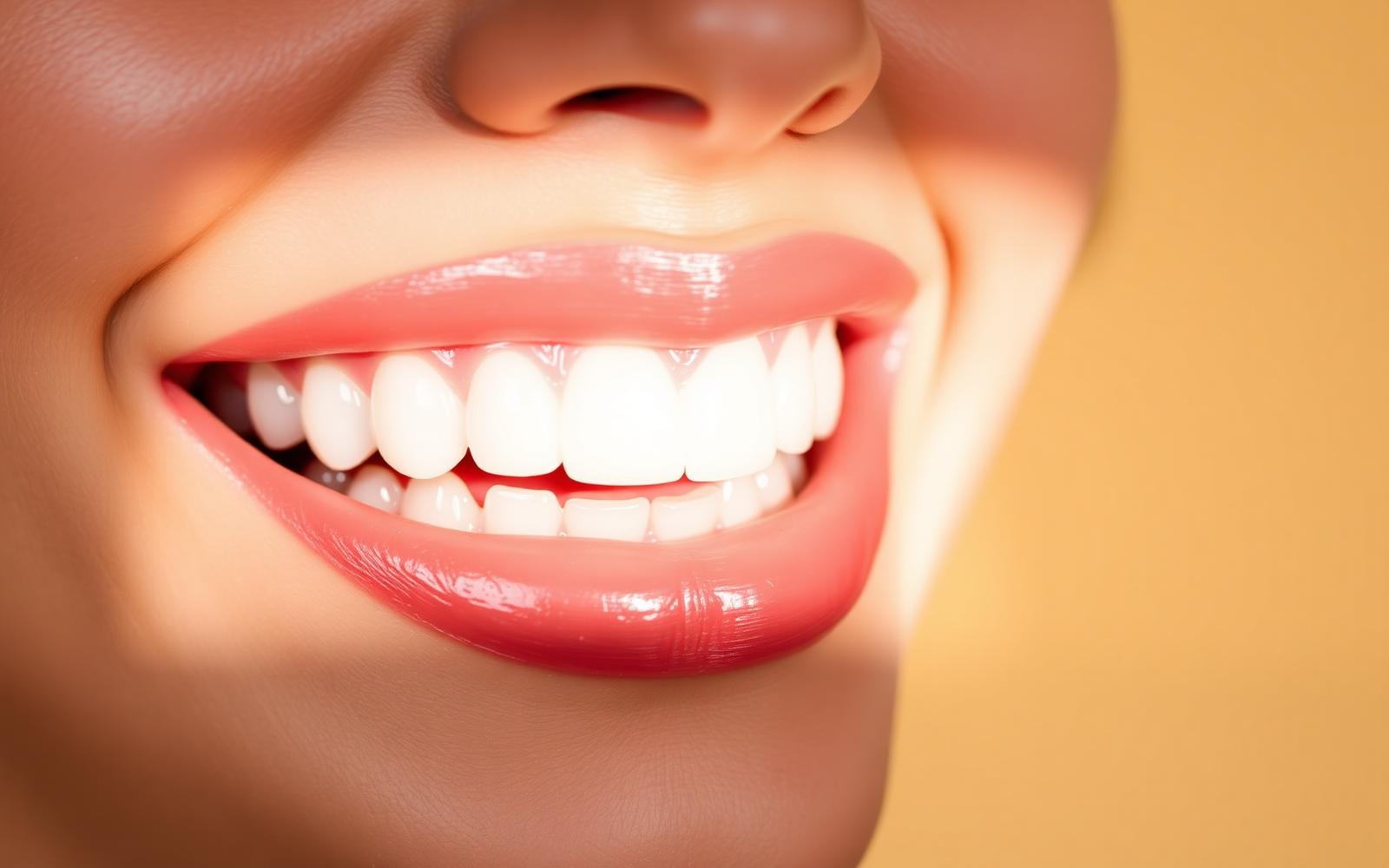
Both professional teeth whitening and over-the-counter products can lighten teeth, but they are not interchangeable. Professional whitening in a dental office uses stronger, dentist-supervised formulas and is preceded by an examination, which helps identify stains that will respond well and those that will not. Store-bought strips, pastes, and rinses are more convenient and less costly, but their results and consistency vary. The right choice depends on the cause of your discoloration, the health of your teeth and gums, and the results you are hoping for.
Common Causes of Tooth Discoloration
- Coffee, tea, red wine, and dark-colored foods
- Tobacco use
- Aging, as enamel gradually thins and shows more of the underlying dentin
- Trauma to a tooth
- Certain medications or high fluoride exposure during tooth development
- Surface staining that a professional cleaning can often remove
Not every discoloration responds to whitening. An exam helps sort surface stains, internal (intrinsic) staining, and existing dental work.
How Professional Whitening Works
Professional whitening uses either hydrogen peroxide or carbamide peroxide at concentrations that are only available under dentist supervision. The gel breaks down stain molecules within enamel and dentin. According to the American Dental Association, professionally provided whitening products carry oversight that helps balance effectiveness with safety for enamel and soft tissues.
In-Office Whitening
In-office treatments are completed at the practice in about an hour. The gums are protected and a high-concentration whitening gel is applied to the teeth in timed intervals. This option is well suited to patients who want a noticeable change quickly.
Dentist-Supervised Take-Home Trays
Custom trays made from impressions of your teeth deliver a lower concentration gel over several days or weeks at home. Because the trays fit precisely, more of the gel stays on the teeth and less contacts the gums.
Whitening Strips, Toothpaste, and Rinses
Over-the-counter products can be a reasonable maintenance step, but they differ from professional care in a few important ways:
- Concentration: lower peroxide levels than dentist-supervised gels
- Fit: generic trays or strips do not match your smile the way custom trays do
- Supervision: no examination to rule out cavities, gum disease, or cracked teeth first
- Consistency: results can be uneven, especially around fillings or crowns
Tooth Sensitivity
Temporary sensitivity is the most common side effect of any whitening method. A dentist can help minimize it by adjusting the concentration or wear time, recommending desensitizing toothpaste, or spacing out sessions.
Fillings, Crowns, and Veneers Do Not Whiten
Whitening gel only affects natural tooth structure. Existing tooth-colored fillings, porcelain veneers, and crowns will stay the shade they were made. If these restorations are visible when you smile, we plan the sequence so that any replacements are made to match the newly whitened teeth.
How Long Results May Last
Whitening is never truly permanent. Results depend on diet, habits, and the underlying color of your teeth. Many patients enjoy their result for one to three years with occasional touch-ups. Habits that may help maintain your smile include:
- Rinsing with water after coffee, tea, or wine
- Using a straw for dark, cold drinks
- Brushing gently twice a day and flossing daily
- Keeping regular cleanings on schedule
- Avoiding tobacco
Learn More
Visit our page on professional teeth whitening or explore other adult dentistry options at our Plantation office.
Frequently asked questions
Is professional whitening safe for enamel?
When supervised by a dentist and used as directed, professional whitening is considered safe for most patients. An exam helps identify anyone who should wait or choose a different approach.
Will whitening work on crowns or veneers?
No. Whitening gel only lightens natural tooth structure. Existing restorations stay the color they were made and may need to be updated to match a new shade.
How white can my teeth get?
Results depend on the underlying color of your teeth, the type of staining, and how you maintain them. We do not promise a specific shade — we set expectations honestly.
Will whitening make my teeth sensitive?
Temporary sensitivity is the most common side effect. It usually resolves quickly and can often be reduced with desensitizing toothpaste or by adjusting wear time.
Can I whiten if I have cavities or gum disease?
Whitening is best started after any cavities or gum issues are addressed. That is one of the main reasons an examination comes first.
Personal, gentle dentistry in Plantation, Florida.
We would be honored to care for your smile. Schedule a visit or reach us directly at (954) 739-6464.